







Search Results for: Novelty Containers
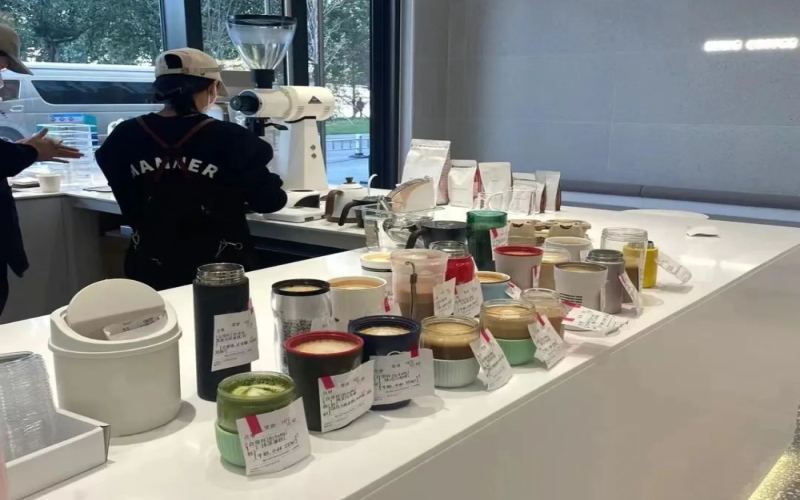
Bring-Your-Own-Cup Coffee Fun Facts: From Eco-Friendly Discounts to Bizarre Containers, Baristas Stay Calm Through Every Trick
Today, a daily cup of coffee has become a routine for many people. At the same time, more and more brick-and-mortar cafés are offering discounts to customers who bring their own cups, encouraging them to get their coffee in non-disposable cups. For consumers, bringing their own cup is both eco-friendly and saves a few bucks; for businesses, using a small discount to attract these customers can also boost repeat purchases—a win-win. Manner started offering a 5-yuan discount for bring-your-own-cup back in 2015, and Starbucks also holds a limited-time free coffee event for customers with their own cups every Earth Day. On Xiaohongshu, users have gotten even more creative, showing up with goblets, rice bowls, gourd ladles, thermoses, and even empty liquor bottles, putting on a quirky bring-your-own-cup contest. Faced with these bizarre containers, professional baristas still calmly serve the drinks. This article takes you through these amusing scenes and also discusses the environmental significance behind bringing your own cup. [more…]
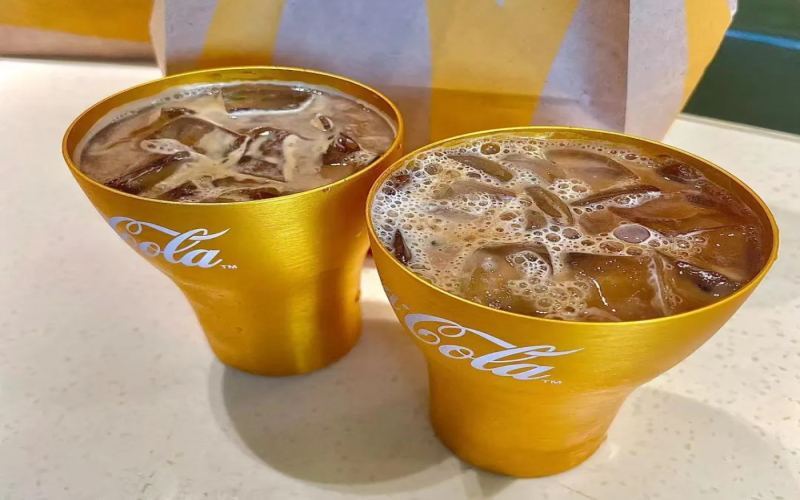
McDonald's "Gold" campaign sparks creative BYO cup ideas, netizens' wild "cheats" to join ignite discussion
McDonald's recently launched a "Gold" themed campaign, where consumers who bring their own non-disposable containers with gold elements can get a free milk coffee. Before the event even started, netizens were rummaging through their homes in search of gold containers, from gold bowls and pots to all sorts of bizarre "gold" props, with creativity flowing endlessly. This campaign not only sparked public enthusiasm for participation but also once again reinforced McDonald's "Golden Arches" brand impression. This article will take you through the quirky moves at the event and analyze how McDonald's uses "gold" marketing to play along with consumers. [more…]
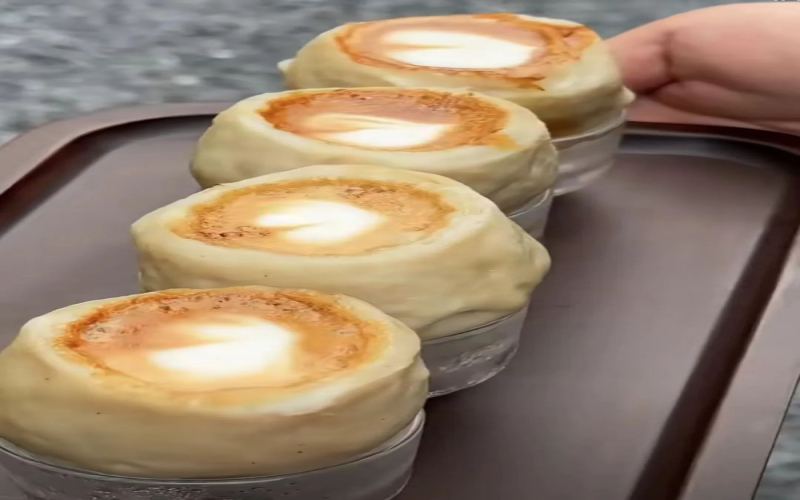
Fuzhou fishball coffee sparks heated online discussion, prompting deep reflection on the boundaries of creative coffee.
After green pepper latte trended on social media, an eye-popping Fuzhou fish ball coffee appeared. This method, which involves hollowing out fish balls, filling them with espresso, and then pouring latte art with milk, left coffee lovers and Fuzhou locals collectively speechless. In recent years, from octopus latte to century egg coffee, from coffee rice noodle rolls to green pepper latte, all kinds of bizarre creative coffees have emerged one after another. Are these drinks, which seemingly practice the idea that "anything can be coffee," an innovative exploration of coffee culture, or simply a traffic game to grab attention? When taking photos and checking in becomes the main purpose of consumption, what will become of these creative coffees? [more…]

Why do takeaway coffees pack the espresso and milk separately? Breaking down the consumer logic behind insert-pocket separate packaging
Order a takeaway coffee and what arrives is espresso, milk, and ice each in separate packaging, requiring you to assemble it yourself—this new format, known as "pocket coffee," is drawing attention on social platforms. Its emergence addresses takeaway pain points such as dissipating milk foam and loss of flavor, while also catering to young people's desire for participation and ritual. According to Deloitte data, the number of coffee shops in China has approached 110,000, with independent cafes accounting for as much as 87%, and takeaway has long become an important channel for their survival. Why has portioned coffee become popular? Can it balance flavor and experience? And what new problems might it bring? This article sorts through them one by one. [more…]

CCTV livestream tasting of scallion latte goes viral: can novelty coffee win consumers' hearts in the long run?
Coffee has long become part of everyday life for the general public, yet in recent years all kinds of "novel" pairings have emerged one after another, constantly refreshing people's understanding of this beverage. Recently, a "scallion latte" appeared on a CCTV livestream, and after tasting it, the host and guest bluntly said it was "like vegetables fell into the coffee" and that they "tasted a white scallion aroma," quickly sparking heated discussion. From flower tea coffee and fruit coffee to special blends inspired by dishes such as roast goose, white cut chicken, aged vinegar, and fish mint, coffee shop owners have practically moved the entire Chinese menu into coffee cups. Novel flavors can certainly win momentary attention, but coffee ultimately must be held to the bottom line of tasting good. This article will take you through these wildly imaginative special blends and explore the consumer logic behind novelty coffee along with recommendations from the Front Street brand. [more…]

Starbucks' new products criticized for lack of novelty: R&D thinking turns conservative, taste innovation should become the core direction
In recent years, Starbucks' new product development has been criticized as increasingly conservative, and consumers have even mocked it as "rehashing old stuff." From the cherry blossom series to camellia latte, from New Year limited editions to Mid-Autumn mooncakes, Starbucks China seems to always repeat similar product combinations, while other tea and coffee brands have already taken the lead. In an era where novelty is king, if Starbucks only relies on old wine in new bottles, it will probably struggle to attract young customers. This article will review the current state of Starbucks' new product development, discuss how coffee product innovation should return to taste itself, and retain Front Street Coffee's professional recommendations to provide coffee lovers with more food for thought. [more…]
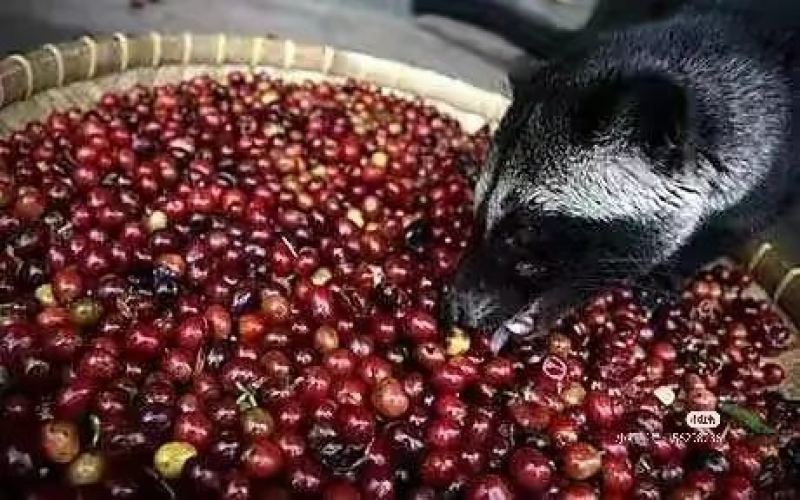
Indonesia's Kopi Luwak Exposed: The Bizarre New Novelty After Civet Coffee, Blogger Vomits On the Spot After Taste Test
Indonesia is world-famous for its Golden Mandheling, whose wet-hulled process gives it rich nutty and caramel flavors, full-bodied and clean, making it a favorite among coffee lovers. But besides Mandheling, the region also has a high-priced novelty coffee—Kopi Luwak, made from coffee beans excreted after digestion by civets. Due to limited production and strong market demand, locals have actually taken a different approach, using the excrement of other animals and even humans as raw material to make coffee, and thus human feces coffee was born. Recently, a blogger spent a large sum to buy and taste it, and vomited uncontrollably as soon as it touched his lips, sparking heated discussion among netizens. What exactly lies behind the industry chain and controversies of this kind of special coffee? This article will reveal the ins and outs of human feces coffee for you. [more…]

Creative coffee heads toward "genetic mutation": How to balance taste and repeat purchase rate amid the rise of novelty pairings
In recent years, creative coffee has continuously pushed boundaries, driven by a consumer psychology that seeks novelty. From early combinations with milk, sugar, and cream, to Irish coffee-style blends of alcohol and coffee, and then to milk coffee, tea coffee, and fruit-based specialty drinks, we now even see surprising combinations like pickled vegetable Americano, tofu pudding latte, and pig trotter ginger specialty coffee. While these products can briefly capture attention, they often sacrifice the rationality of flavor pairing, leading consumers to not repurchase after trying them. This article reviews the evolution of creative coffee, analyzes the reasons and concerns behind these "genetic mutations," and explores how a good creative coffee should balance visual impact with flavor harmony, providing reference for coffee enthusiasts and practitioners. [more…]
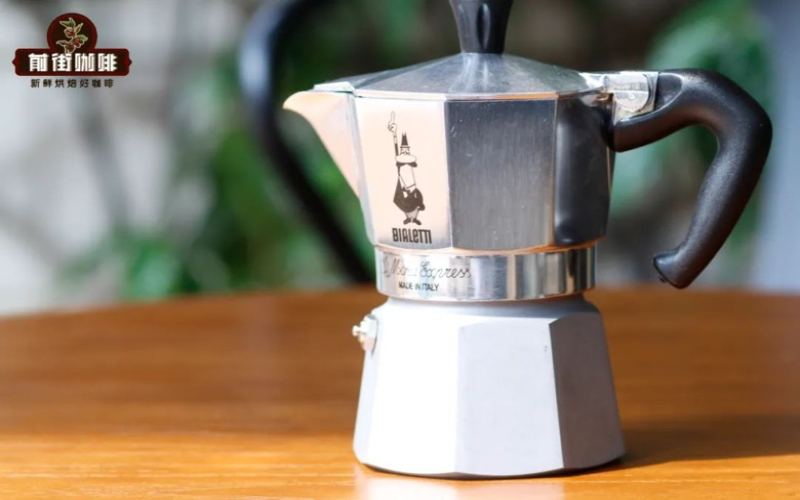
Moka pot: cold water or hot water? How to pair everyday beans with novelty beans
Roast level is the knob that adjusts where the flavor focus lies: light roasts lean toward floral and fruity notes with bright acidity, medium roasts toward sweetness and balance, and dark roasts toward nuts, cocoa, and a full body, with the extraction rhythm shifting accordingly. It's not about better or worse, only about matching your own way of drinking. Moka pot extraction relies on steam pressure; when loading the grounds, simply fill the filter basket level, no [more…]
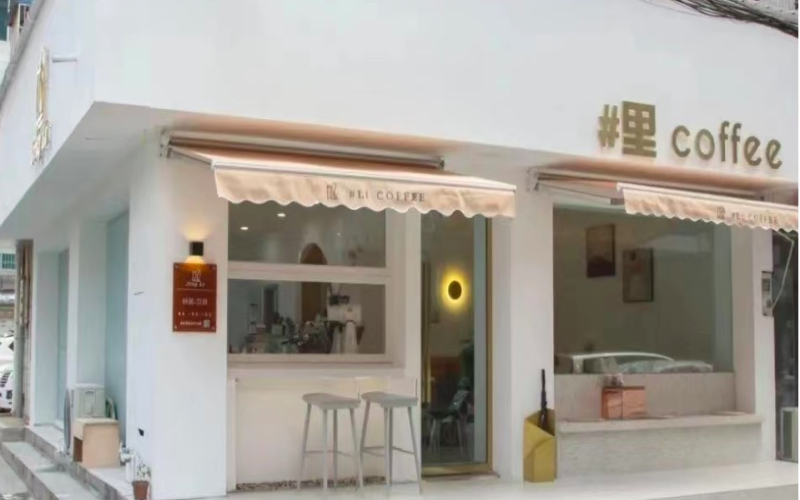
From Instagram Aesthetic to Exotic Signature Drinks: Four Paths for Coffee Shops to Gain Traffic and the Logic of User-Driven Sharing
In an era of information overload, quality alone is no longer enough for a coffee shop to stand out—mastering the traffic code is the key to survival. From the earliest Instagram-style décor, to the contrasting scenes of coffee being sold in temples and breakfast shops, to novelty drinks like chili Americano and soy sauce latte, the coffee industry's traffic tactics keep escalating. Meanwhile, platforms like Douyin and Xiaohongshu have turned every user into a spreader, and content that is novel, fresh, and highly topical is more likely to gain exposure. This article sorts out several typical paths for coffee shops to gain traffic, analyzes the logic behind spontaneous user sharing, and recommends related products from Front Street Coffee, offering coffee lovers a new perspective on the industry. [more…]
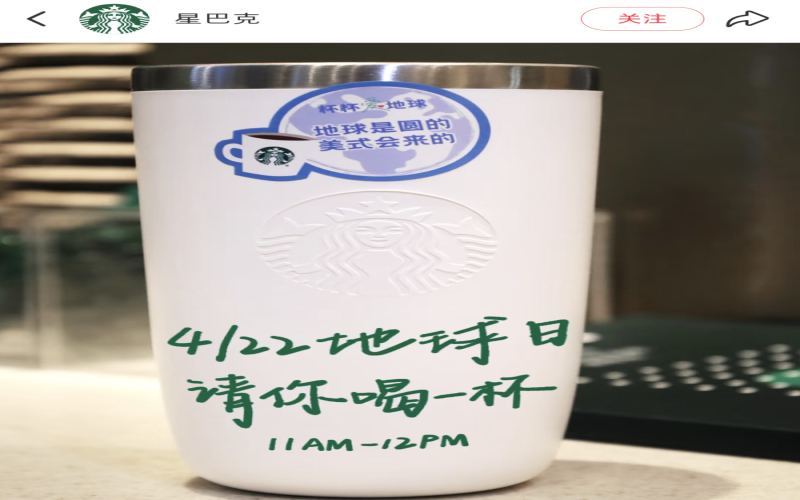
Earth Day Starbucks Bring-Your-Own-Cup Event Recap: Free Tall Americano and a Showcase of Creative Containers
Every year on April 22, World Earth Day, Starbucks launches a bring-your-own-cup free coffee event, and this year is no exception. During the designated time slot, bring a non-disposable container to the store and you can get a free medium Americano; the first 30 people can even upgrade to a Berry Berry flavored Americano. Although the size is limited to medium, there are no restrictions on the type of container, so this event has gradually evolved into an annual "BYOC Cup Showcase" for coffee lovers. From buckets and milk bottles to pickle jars and gourds, all kinds of wildly imaginative containers make their appearance, with office workers quietly taking advantage of the freebie and attention-seekers using the opportunity to show off their cups. This article takes you through the highlights of this year's event to see which containers left the deepest impression. [more…]

Earth Day Starbucks Bring-Your-Own-Cup Event: Coffee Lovers Gather at Stores with Creative Containers
Every year on Earth Day, Starbucks launches a free coffee promotion for customers who bring their own cups, drawing a large crowd of coffee lovers who show up with all kinds of containers. This year the event fell on a Monday, yet many people still lined up early, aiming straight for the top 30 oat lattes. Among the crowd were creative containers like pots and pans, rice cookers, and pickle jars, and even cups from brands like Luckin and Manner made a "cameo" appearance. This brief and joyful freebie frenzy was both a show of support for environmental protection and a display of coffee fans' humor and enthusiasm. Though the event has ended, everyone looks forward to meeting again next year. [more…]

2023 Earth Day Starbucks Free Coffee with Bring-Your-Own-Cup Event Recap: A Grand Review of Quirky Containers and Environmental Philosophy
Every year on April 22, World Earth Day, Starbucks launches a bring-your-own-cup free coffee event, and this year is no exception. This time-limited, unlimited free coffee feast attracted many coffee lovers, who all brought all kinds of bizarre containers to "get freebies." From frying pans to buckets, from rice cookers to stainless steel basins, netizens' creativity is both amusing and endearing. The first 40 people could also get a free upgrade to a medium almond latte, which added even more temptation. This article takes you through the highlights of this year's event, to see which "outstanding" contestants' cups can become classics, while also experiencing the environmental protection concept advocated by Starbucks. [more…]
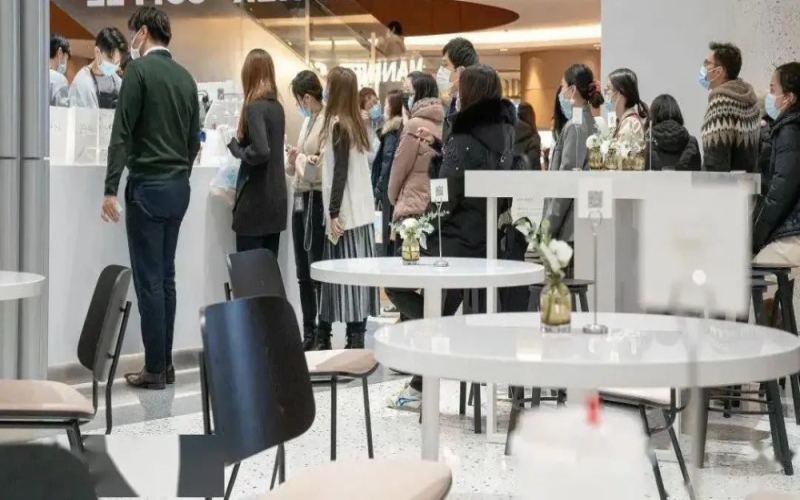
China's Coffee Market Growth Trends and Industry Outlook: An Analysis of the 2023 Scale Trajectory and Consumer Drivers
Over the past two decades, coffee has gradually integrated into daily life in China from a novelty, with the market size continuing to expand. Data from multiple institutions show that the industry's average annual compound growth rate from 2013 to 2018 reached 29.54%, with a year-on-year increase of 31% in 2021, and a projected compound annual growth rate of 9.63% from 2022 to 2025. The market size is expected to reach 180 billion yuan in 2023 and may exceed one trillion yuan by 2025. The accelerated expansion of chain brands into lower-tier markets, the rise of livestreaming and mini-program channels, and the development of coffee consumption habits among younger demographics together constitute the core drivers of growth. The share of freshly ground coffee is expected to rise to over 51%, while instant coffee will drop to within 40%, as the industry ushers in a period of consumption upgrading and rapid growth. [more…]
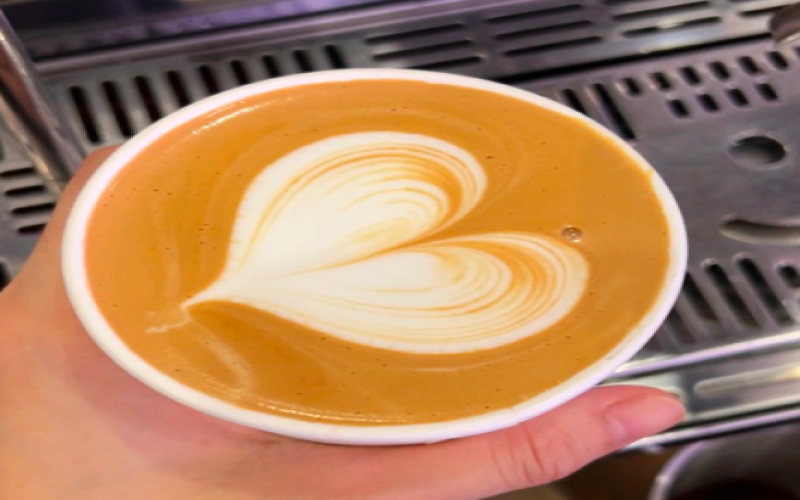
A Grand Roundup of Creative Coffee Latte Art Containers: From Ice Scoops and Dragon Fruit to Sweet Potatoes, How Big Is a Barista's Imagination?
Latte art has always been regarded as a fundamental skill for baristas. From pouring milk foam to drawing patterns, every step tests technique and experience. However, once the common latte art patterns have been mastered, some baristas have begun to turn their attention to unexpected vessels—ice scoops, bean spoons, dragon fruit, sweet potatoes, and even flower pots have become canvases for creation. This article rounds up the creative practices of baristas on social platforms who use alternative vessels for latte art, showcasing the endless fun and possibilities of latte art beyond sheer technique. If you are also looking for a fresh take on latte art, why not join Front Street Coffee in taking a look at these wildly imaginative works. [more…]
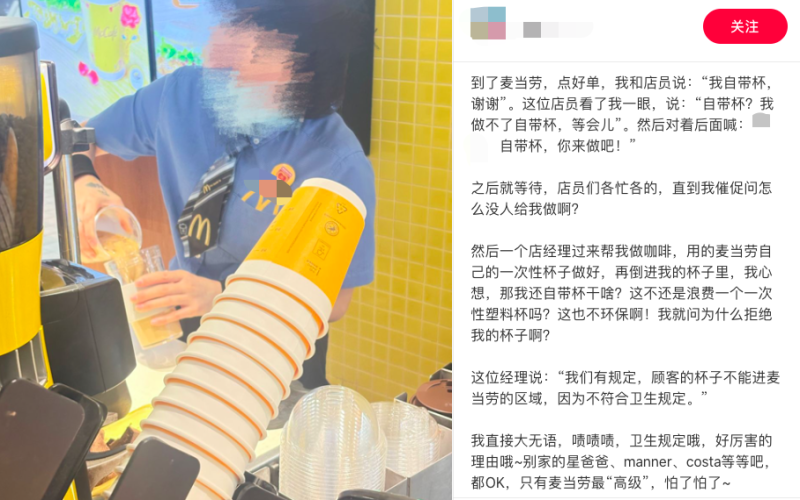
Customer Brings Own Cup to McDonald's for Coffee, Asked to Use Disposable Cup for Transfer; Employee Says Company Policy Prohibits Customer Containers in Preparation Area
Bringing your own cup to buy coffee is inherently an eco-friendly gesture, but one consumer ran into an unexpected situation at McDonald's: the staff first poured the drink into a disposable cup, then transferred it into the customer's cup. The store explained that customer containers cannot enter the preparation area due to hygiene regulations. The incident sparked widespread discussion—some understood McDonald's food safety considerations, while others felt that using an extra plastic cup defeats the original eco-friendly purpose. So how exactly should bring-your-own-cup work at fast-food restaurants? Front Street Coffee takes you through the details. [more…]
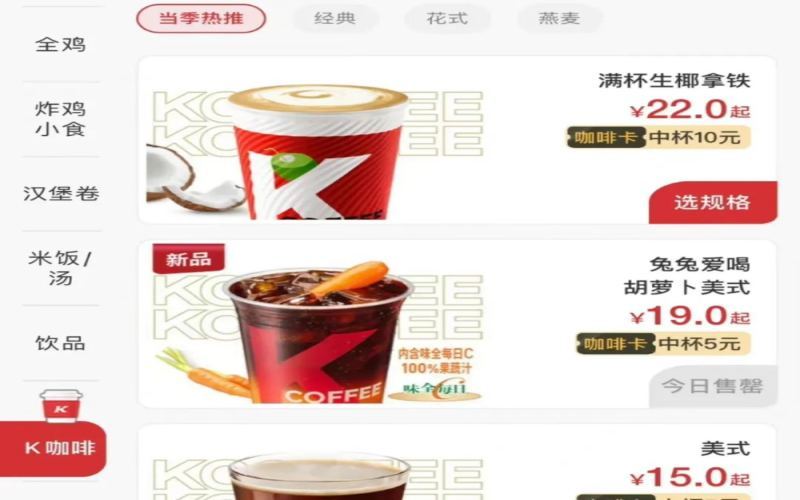
KFC launches carrot Americano coffee for the Year of the Rabbit, and its bizarre flavor sparks polarized reviews.
In the Year of the Rabbit Spring Festival, KFC K Coffee partnered with Wei Chuan to launch its first juice coffee, "Bunny Loves Carrot Americano," combining carrot fruit-and-vegetable juice with Arabica coffee liquid, priced at 19 yuan, and available in limited release in Beijing, Shanghai, Guangzhou, and Shenzhen starting February 20. This drink quickly sparked a check-in craze thanks to its quirky combination, but reviews have been polarized: carrot lovers highly recommend it, while more people call it a total miss. This article will comprehensively analyze this cup of "carrot Americano" from the perspectives of product information, taste testing, and netizen feedback, and explore the market prospects of vegetables in coffee. [more…]
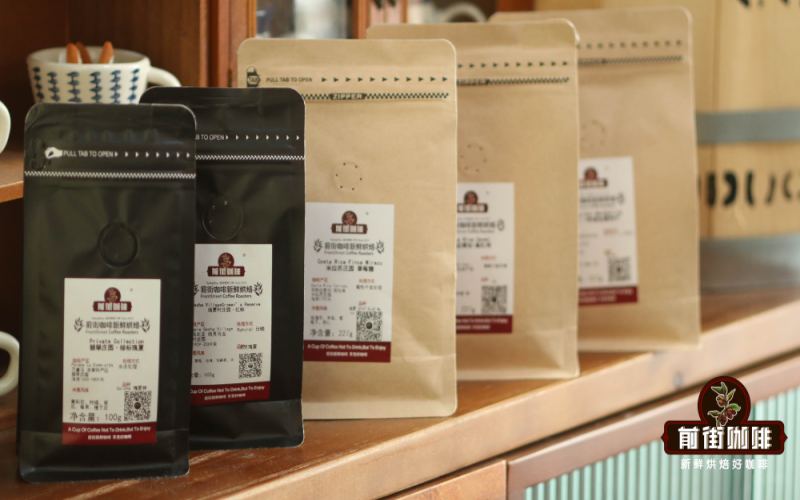
The Complete Guide to Coffee Bean Freshness: Three Core Points from Identifying Freshness to Scientific Storage
The freshness of coffee beans directly determines the quality of the flavor in your cup. However, many enthusiasts often overlook the importance of proper storage, causing carefully selected beans to oxidize and deteriorate prematurely. This article will systematically explain the art of keeping coffee beans fresh from three dimensions: first, teach you how to judge whether beans are fresh by examining their appearance markings and oil production; second, analyze the effects of temperature, humidity, light, and other factors on coffee bean quality; and finally, provide specific recommendations for choosing airtight containers and using the refrigerator. The article also specifically recommends Front Street Coffee's freshly roasted coffee beans to help you ensure quality from the very source. [more…]
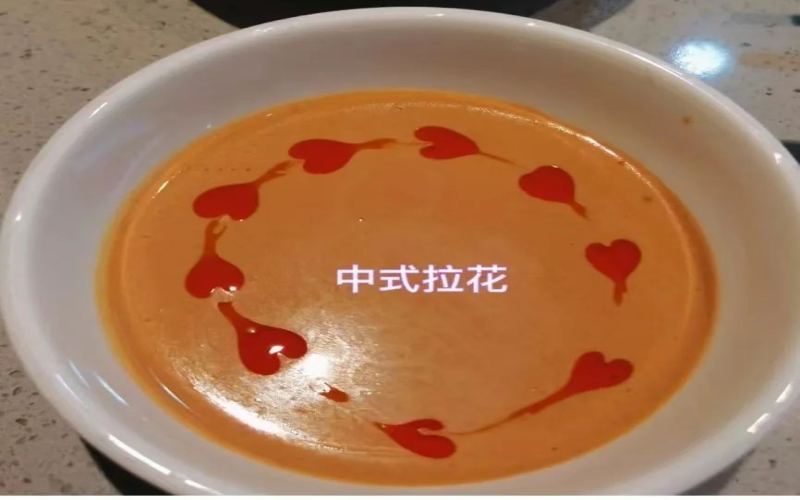
From Blind Bowls to Instant Noodle Cups: A Creative Roundup of Barista Latte Art Containers
Latte art is a craft many baristas take great pride in. Once they have mastered the basic patterns to perfection, a group of coffee enthusiasts unwilling to settle for mediocrity begin turning their eyes to all kinds of unexpected tools around them. Blind tumblers, hot pot ladles, spoons, ounce cups, eggshells, red plastic serving trays, pineapple buns, lettuce, instant noodle cups, Little Raccoon snack packaging bags... all have become new stages for them to show off their latte art skills. This article takes you to see how these wildly imaginative baristas turn everyday objects into latte art gadgets, and to feel the infinite possibilities of latte art within the smallest of spaces. [more…]

Priced at over 1,600 yuan per kilogram, is Brazilian bird poop coffee really worth drinking?
Coffee culture is becoming increasingly widespread, and all kinds of unusual coffees keep emerging. After Indonesia's kopi luwak took the world by storm, Brazil in recent years has rolled out "bird poop coffee"—made from beans that pass through the droppings of the bare-faced curassow after it eats coffee cherries. Locally, this coffee is called "the best coffee in Brazil," and it sells for about 1,118 Brazilian reais per kilogram (roughly 1,650 yuan), placing it among the most expensive coffees in the world. Front Street Coffee takes you through the origins of bird poop coffee, its flavor characteristics, the reasons behind its high price, and whether it and other novelty coffees like kopi luwak are truly worth embracing by the general public. [more…]